
Character consistency in AI video fails for a simple reason: most DIY pipelines optimise one pretty frame, then hope the next shot remembers the face, wardrobe, and room. In commercial work that hope is expensive. What actually works in 2026 is process — locked references, world rules, dual-format framing, and revision caps — not a single secret model toggle. AIQ Studio’s Film package packages that discipline as character/world lock without LoRA for €1,900.
We are an AI film studio in Belgrade making commercials, animation, and branded films for EU and UK brands and agencies. This guide explains how we define lock, what Film includes, when you need a Brand/LoRA or hybrid quote from €12,000, and how to brief so identity survives both 16:9 and 9:16 masters.
Why characters drift in DIY AI
Generative video models sample plausible frames. Without a constrained reference set they will happily reinvent jawlines, fabric weave, age, and lighting between cuts. Prompt-only workflows amplify drift because language underspecifies identity: “woman in a red coat” is not a continuity bible.
DIY users often chase consistency by regenerating endlessly. That burns time and still fails on profile angles, hands, and environment grammar. Commercial buyers experience the failure as brand risk: a hero who ages five years between shots, or a product world that changes materials mid-spot.
Recommendation: stop measuring success as “one hero still.” Measure it as identity held across the cut list you will actually publish.
Typical drift patterns show up fast in review. Hair length changes between close-ups. A coat button count flips. Skin texture becomes smoother in beauty lighting and rougher in wide shots. Hands grow extra fingers when the model improvises a gesture. Environments are worse: a corridor that was concrete becomes plaster, then glass, while the “same” brand world supposedly continues. If you are buying a commercial, that is not quirky generative flavour — it is a continuity failure.
Agencies sometimes try to hide drift with heavy grade and fast cuts. That can mask small errors in a 6-second bumper. It will not save a 40-second hero with dialogue cadence, product inserts, and a recurring face. Budget the fix at the reference stage, not in panic export night.
Definition: character lock / world lock
Character lock means the same recognisable person or figure holds across shots: face structure, age band, hair, wardrobe silhouette, and performance register agreed in stills before motion. World lock means the same location and material grammar: lighting logic, colour temperature, surfaces, props rules, and spatial continuity.
Neither term is a certified industry standard. Inside AIQ they are production commitments tied to package scope. They are not a claim that every frame is pixel-identical, and they are not LoRA training unless the quote says so.
Lock stack:
Brief identity rules → approved still board → motion under those stills → dual-format framing check → revision rounds against the board → masters
Recommendation: write lock rules as constraints (“never change coat colour; key light always camera left”) rather than vibes (“premium cinematic woman”).
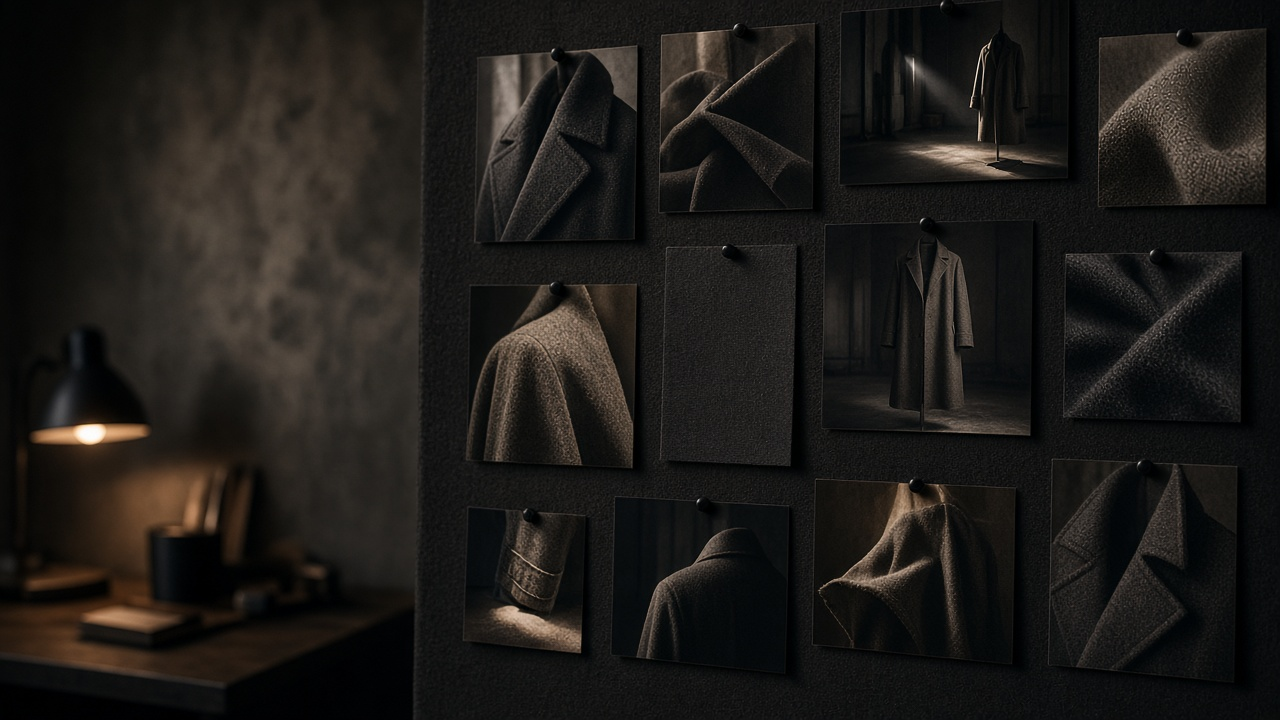
A practical still board usually contains: three face angles, one wardrobe turnaround, one hands/props sheet, and three world plates (wide, medium, detail). Stakeholders sign that board. Motion that contradicts the board is rejected even if it looks “cooler.” Cooler is how lock dies.
World lock also covers negative space rules. If your brand world never shows neon signage, do not let a model invent a night street full of signs because it photographs well. If the product sits on matte stone, do not accept glossy marble two shots later. Continuity is brand grammar.
What Film package includes (no LoRA claim)
Film is our anchor package for buyers who need a short cinematic commercial with identity held across the piece.
| Item | Film (€1,900 excl. VAT) | Spot (€790) | Brand (quoted from €12,000) |
|---|---|---|---|
| Length | Up to 40s | Up to 20s | Typically 60–90s after brief |
| Formats | 16:9 and 9:16 | One format | Scoped in quote |
| Character/world lock | Yes, without LoRA | Not the Film lock promise | LoRA / hybrid identity as scoped |
| Revisions | 2 rounds | 1 round | Per quote |
| Timing | 12–15 days | 7–10 days | Per quote |
Full commercial terms — including Campaign from €3,900, add-ons, retainer footnote, and no-prepayment preview — are on Pricing. Tools in the craft stack may include Veo, Kling, and Runway; naming tools is not a partnership claim.
Recommendation: buy Film when you need both formats and a held character/world inside 40 seconds. Do not buy Spot and expect the same lock promise.
When Brand / LoRA / hybrid is needed (from €12,000)
Choose a Brand quote when identity must survive longer narratives, stricter likeness constraints, or hybrid live plates. LoRA (or similar identity-training workflows) can help when a character must recur across many shots with tighter facial lock than package Film allows. Hybrid is right when real product or talent plates must sit inside a generative world.
Brand work is quoted from €12,000 after brief for roughly 60–90s scopes with LoRA and hybrid options. It is not a homepage hero card because the variables are brief-heavy: likeness rights, plate quality, and training constraints.
Recommendation: if your RFP demands “same spokesperson across a six-spot season,” say so before anyone promises Film economics. That is usually Brand territory.
Hybrid examples that usually exceed Film: a real CEO plate composited into generative cities; a physical product turntable extended into impossible architecture; a licensed performer whose likeness must match release paperwork shot under controlled conditions. Those projects can still use generative craft heavily — they simply need a different commercial envelope and legal path.
Campaign packages (from €3,900) help when you need one world across a 60-second master or three 15-second cutdowns. Campaign is still not LoRA by default. It is volume and cutdown economics inside one locked world. If the season needs trained identity across months, ask for Brand.
Process steps that protect consistency
- Lock the brief: audience, length, formats, and three identity constraints that cannot move.
- Build a still board: face angles, wardrobe, hands, and world materials approved in writing.
- Generate motion only against the board — reject pretty orphans that break wardrobe or light.
- Edit for continuity first, polish second. A beautiful wrong coat is still wrong.
- Run revision rounds against the board, not against new vibes. Film includes two rounds; extra rounds are +€300.
- Export dual masters from framing rules set early, not from a panicked crop.
Studio process and team craft live on Studio. For examples of finished films by title, see Work — ANLAF, First Contact, Rewort, Svetley, Tady, and others. Spec pieces that borrow brand grammar stay labelled as Spec. Not commissioned by the brand shown.
Recommendation: treat the still board as contractual. If a stakeholder wants a new face after motion starts, that is a scope change, not a free revision.
Revision discipline is where lock is won or lost. Round one should catch identity breaks and story clarity. Round two should polish pace, sound, and micro continuity. A third round that introduces a new wardrobe “because the CMO saw a different Pinterest board” is not polish — it is a restart. That is why extra rounds are priced (+€300) instead of absorbed as endless goodwill.
Payment timing supports calm review. After brief and contract acceptance we work without prepayment, share a watermarked preview, take written stage approvals, invoice with a seven-day window, and release clean masters after payment. You should reject identity breaks at preview — not after money anxiety forces a shrug.
Dual formats without breaking identity
16:9 and 9:16 punish late reframing. Eyes, logos, and wardrobe details that sit safely in horizontal frames can amputate in vertical. World lock fails when the vertical crop invents a new room by cutting architecture that carried continuity.
Film includes both formats so framing is designed once. Spot buyers who later need the second format can add it for +€250 — cheaper than discovering the need after a single-format lock.
Format rule: compose for the stricter crop first when both masters are required. If identity lives in the eyes and the product mark, those landmarks must survive 9:16 before you fall in love with a wide establishing shot.
Recommendation: approve vertical and horizontal stills in the same board review. Do not approve only the horizontal hero.
Sound and text overlays also interact with format lock. A lower-third that sits safely in 16:9 can collide with a face in 9:16. If Article 50 disclosure labels are part of your publish pack, plan safe zones for labels in both crops early. Disclosure that clips off the vertical frame is not disclosure.
For paid social, assume the first second must establish character and world without relying on a wide establishing shot that only works horizontally. Many AI spots fail because the “beautiful wide” cannot survive the crop that actually gets media spend.
What to do next
- Decide whether your piece needs Film-level lock or a Brand/LoRA quote.
- Write five non-negotiable identity rules before moodboards.
- Require a still board sign-off before motion.
- Send length, formats, and lock needs through Contact.
If Film matches your scope, start from Pricing and brief us with the constraints that must not drift. Start a project when the still rules are clear enough to defend in a revision round.
FAQ
Does Film include LoRA?
No. Film includes character/world lock without LoRA. LoRA and hybrid identity work are quoted under Brand from €12,000 after brief.
How many revision rounds protect lock?
Film includes two revision rounds. Spot includes one. Extra rounds are available as an add-on at +€300. Revisions should reference the approved still board; otherwise lock erodes by committee.
What is the difference between character lock and world lock?
Character lock holds the person or figure. World lock holds lighting, materials, props rules, and location grammar. Commercial spots usually need both.
Can Spot deliver a consistent character?
Spot is built for short single-format tests with one revision. It is not sold with the same character/world lock promise as Film. If identity is the buying reason, choose Film.
Which tools do you use for consistency?
We use generative craft tools such as Veo, Kling, and Runway inside a studio pipeline. Tools are instruments, not partners, and no tool replaces reference discipline.
How do I brief for lock without over-describing?
Give length, both formats if needed, three visual constraints, one forbidden change, and references that show the face and world you mean. Then let the still board carry detail instead of a novel-length prompt dump.